Scroll, Sketch, Blow Up: How Anime Fan Artists Are Crashing the Creator Economy One TikTok at a Time
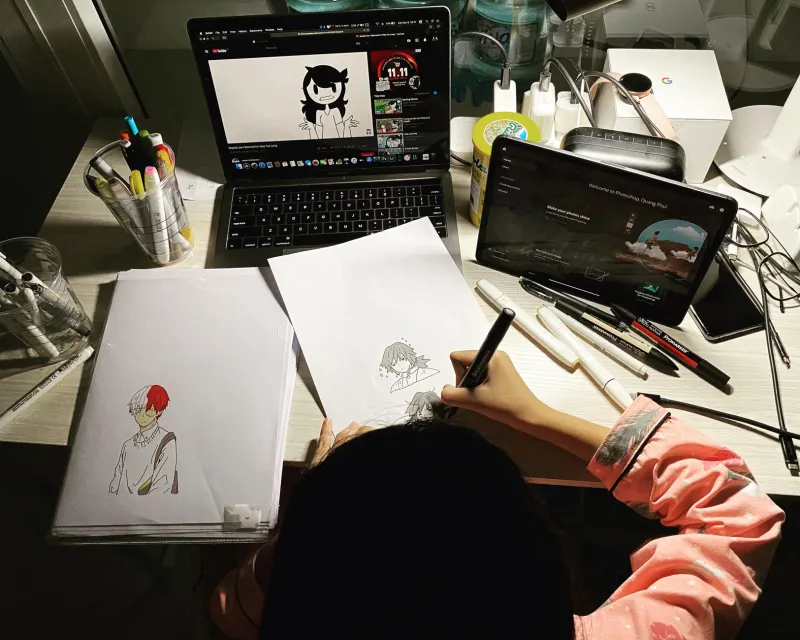
Not too long ago, breaking into the animation or game design industry meant one very specific path: art school, internships, a polished portfolio, and a whole lot of waiting by the inbox. For anime-inspired artists especially — people whose entire visual language was built on Naruto, Demon Slayer, and My Hero Academia rather than Western studio traditions — that path felt even narrower. The gatekeepers weren't exactly lining up to celebrate fan art of Tanjiro.
Then TikTok happened. And everything got a lot more interesting.
The 60-Second Portfolio
What makes TikTok genuinely different from Instagram or even YouTube for visual artists isn't just the audience size — it's the format. Speed draws, process videos, "drawing your followers as anime characters" series — these aren't just content strategies. They're essentially living portfolios that update daily and reach millions of people who never would have stumbled across a static DeviantArt page.
Creators like @yumecore.art and @inkbyjuno (names representative of a broader wave of artists in this space) have built followings in the hundreds of thousands not by posting finished pieces, but by inviting viewers into the process. The sketch lines, the color blocking, the "wait for the reveal" structure — it taps into something deeply satisfying about watching a blank canvas become something recognizable. Especially when that something is dripping in anime aesthetics.
For Western audiences, there's an added layer of fascination. Anime's visual style — the expressive eyes, the dynamic linework, the way emotion gets coded into hair and silhouette — feels both familiar (thanks to decades of Toonami and Netflix) and aspirational. Watching someone recreate that style in real time, from a bedroom in Ohio or a dorm room in Atlanta, makes it feel achievable. Relatable. And that relatability is currency on TikTok.
From Comments to Contracts
Here's where it gets really interesting: brands and studios are watching these comment sections. Hard.
Several independent creators have spoken openly in interviews and on their own channels about receiving DMs from indie game studios, animation startups, and merchandise companies after specific videos went viral. One illustrator described how a timelapse of her designing an original anime-style character — posted on a Tuesday afternoon — led to a licensing conversation with a small apparel company by Friday. Another creator landed a concept art contract after a game developer spotted his environmental design series, which had racked up over two million views without a single paid promotion.
This isn't just anecdote. It reflects a structural shift in how creative talent gets discovered. Traditional studios still run their hiring pipelines, sure. But smaller players — indie game devs, Webtoon publishers, streetwear brands, even VTuber agencies — have figured out that TikTok is basically a free talent scouting service. If someone can make compelling visual content and build an audience around it, they're already demonstrating two skills most art school graduates haven't had a chance to prove yet.
What Actually Performs (And Why)
Not every anime art video goes viral, obviously. The creators who consistently grow tend to follow a few patterns that are worth breaking down.
Transformation content wins. "Before and after" redraw videos, where an artist recreates a childhood drawing in their current style, consistently rack up massive engagement. There's nostalgia in it, but also proof of growth — which is inherently motivating to watch.
Character design challenges drive interaction. Asking followers to submit personality traits, zodiac signs, or even their Spotify Wrapped and then designing a custom anime character based on the results? Instant community engine. Everyone wants to see themselves animated.
Trending audio + niche visuals = algorithm gold. Pairing a viral sound with anime-style art creates a kind of cultural mashup that TikTok's algorithm seems to genuinely reward. It signals that the creator understands the platform and their niche — a combo that's harder to pull off than it looks.
"How I learned" storytelling. Videos framed around the creator's journey — "I practiced drawing anime eyes every day for 30 days" — perform exceptionally well because they offer both entertainment and education. They turn the creator into a character, which builds parasocial connection fast.
The Gatekeeping Problem (And How TikTok Cracks It)
Let's be real about what's actually being disrupted here. Traditional animation and game art pipelines have historically been pretty exclusionary — not always intentionally, but structurally. Geographic barriers (most major studios are clustered in LA, New York, or Seattle), financial barriers (art school debt is real), and aesthetic barriers (Western animation studios haven't always known what to do with artists whose entire influence base is Japanese) have kept a lot of talented people on the outside.
TikTok doesn't care about any of that. The algorithm doesn't check your zip code or your degree. What it checks is whether people are watching your video all the way through and coming back for more.
That's genuinely democratizing in a way that feels different from previous waves of "the internet will fix everything" optimism. Because the monetization pathways are real now — TikTok's creator fund, brand partnerships, Patreon spillover, Etsy shops, Ko-fi, print-on-demand merch — artists can build actual revenue streams while they're building their reputation. They don't have to wait for permission.
The Flip Side
It's not all clean lines and viral moments, though. The pressure to post consistently — ideally daily — can burn creators out fast. Several artists who've spoken publicly about their TikTok growth have also talked about the anxiety of watching their engagement drop when they take a break, or the weird feeling of having their art reduced to background content people scroll past while eating lunch.
There's also the intellectual property question, which gets murky fast. Fan art exists in a legally gray zone, and as these creators grow larger audiences, the risk of a cease-and-desist from a major studio becomes more real. Most navigate this by pivoting toward original characters and world-building as they scale — but that transition isn't always smooth.
The Bigger Picture
What's happening with anime-inspired artists on TikTok is part of a much larger story about how creative industries are being restructured from the outside in. The audience is no longer waiting for studios to tell them what's worth watching or who's worth following. They're finding their own creators, building their own communities, and spending their money accordingly.
For anyone who grew up watching anime on a scratchy cable channel at midnight and dreaming about making something like it someday — the path just got a lot more interesting. And a lot more possible.
Your next favorite animator might be posting their first speed draw right now. Hit follow.