Why Anime OPs Hit Different: The Secret Machine Behind J-Pop's Global Takeover

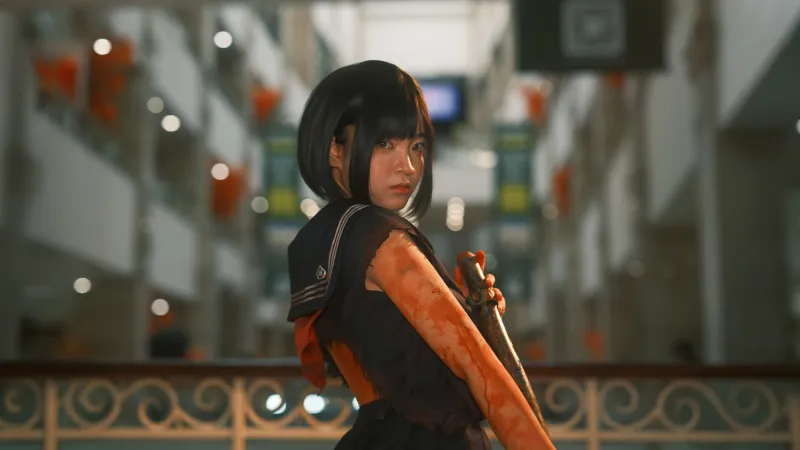
Photo: Kaitou42, CC BY-SA 3.0, via Wikimedia Commons
If you've spent any real time on Spotify's anime playlists lately, you already know the vibe. Songs like YOASOBI's Idol, King Gnu's Specialz, or pretty much anything by Aimer have a way of burrowing into your brain and refusing to leave. These aren't background noise. They're earworms engineered with terrifying precision — and they're pulling billions of streams from fans who may not even speak a word of Japanese.
So how exactly did anime theme songs go from niche curiosity to legitimate global pop phenomenon? And why does it feel like Western TV is still fumbling around in the dark by comparison?
Let's dig in.
The Production Pipeline Is Actually Kind of Wild
Here's something most casual anime fans don't realize: the music for a major anime series isn't slapped together at the last minute. It's a deeply intentional, often months-long collaboration between the production committee (the group of studios and publishers funding the show), the music label, and the artist — all before a single episode airs.
In Japan, anime and music have been commercially intertwined since at least the 1990s, when record labels figured out that a hit opening theme could move physical singles in massive numbers. That relationship never went away — it just evolved. Today, labels like Sony Music Japan, Lantis, and Pony Canyon treat anime tie-ins as flagship release strategies, not afterthoughts.
Artists are selected to match the emotional DNA of the show. YOASOBI, for example, was commissioned to write Idol specifically for Oshi no Ko after the show's producers wanted something that felt simultaneously euphoric and deeply unsettling — a perfect mirror of the series itself. That level of intentionality is baked into the process from day one.
The Streaming Acceleration Nobody Saw Coming
For decades, the anime music economy ran almost entirely on physical media. CD singles, collector's edition box sets, limited concert merchandise — Japanese fans bought it all, and labels thrived. But the global streaming boom changed the math in ways even the industry didn't fully anticipate.
When Crunchyroll, Netflix, and other platforms started delivering simulcast anime to American audiences in real time, the opening themes started hitting ears worldwide — simultaneously. A song that might have previously taken months to reach US fans through import CDs was now streaming globally on day one.
Spotify's internal data has repeatedly shown anime-adjacent playlists among the fastest-growing categories in the US, particularly with listeners aged 18 to 34. That's not a coincidence. It's the direct result of millions of American viewers hearing Gurenge at the top of every Demon Slayer episode and immediately running to search it on whatever platform was closest.
For composers and artists, this created a genuinely new career trajectory. Someone like Hiroyuki Sawano — the composer behind the thunderous scores of Attack on Titan and Mobile Suit Gundam: Iron-Blooded Orphans — now has a global fanbase that follows his work across projects the way Western fans follow film composers like Hans Zimmer or John Williams. That kind of cross-border recognition was almost unimaginable twenty years ago.
Why Western TV Keeps Leaving Money on the Table
Here's where things get a little frustrating if you're a fan of American prestige television. Think about the last ten major US streaming shows you watched. Can you hum a single recurring theme from any of them?
There are exceptions, sure — Stranger Things rode Kate Bush back onto the charts, and Euphoria built a genuine sonic identity around its music supervision. But those are outliers in a landscape where most American shows treat music as atmospheric filler rather than a cultural product in its own right.
The structural reasons for this gap are real. In Japan, the production committee model means multiple stakeholders — including music labels — have financial skin in the game from the very beginning. Everyone profits when the theme song blows up, so everyone has an incentive to make it blow up. In the US, music licensing and composition budgets are typically handled separately from the main production, often with cost-cutting as the primary directive.
There's also a cultural dimension. Japanese pop music has always had a more theatrical, emotionally maximalist quality that lends itself to anime storytelling. A J-pop opener can swing from delicate piano to full orchestral chaos in ninety seconds and somehow make it feel completely natural. That sonic range mirrors the emotional swings anime itself is famous for.
The Artist Collaboration Effect
Another piece of the puzzle is how these collaborations elevate artists on both sides of the equation. Getting tapped to do an anime theme isn't just a paycheck — it's a cultural co-sign.
When relative newcomers land a major anime tie-in, their entire discography gets a second look. Fans don't just stream the opening — they go deep on the artist's back catalog, follow them on social media, and start buying concert tickets if they ever tour internationally. It's a discovery engine that Western TV simply doesn't replicate at the same scale.
And the artists lean into it. Many J-pop acts now write songs with the anime in mind, weaving in lyrical references to characters and storylines in ways that reward close listeners. It creates a feedback loop between the music and the fandom that keeps engagement alive long after a season ends.
What Comes Next
The global appetite for anime music isn't slowing down. If anything, the lines are starting to blur in interesting ways. Western artists are increasingly showing up in anime spaces — Billboard charts regularly feature Japanese-language tracks, and English-language covers of iconic anime themes rack up hundreds of millions of views on YouTube.
There's also a growing conversation about whether American animation — specifically adult animation on streaming platforms — could adopt a similar music-forward approach. A few shows have started experimenting, but nothing has cracked the code the way Japan's system has.
For now, the anime soundtrack economy remains one of the most quietly impressive things happening in global pop culture. It's a reminder that when music and storytelling are treated as genuinely inseparable — when the song isn't just background noise but an actual extension of the narrative — audiences notice. They stream it, they share it, and sometimes, they learn a whole new language just to understand what they're feeling.
Not bad for a two-minute intro that plays before the episode even starts.