Rooting for the Bad Guy: How Anime's Morally Complicated Characters Became the Real Stars
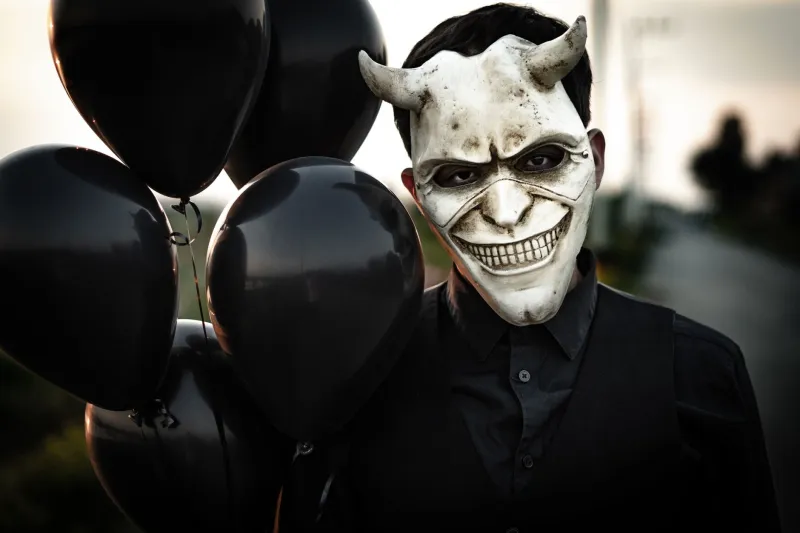
There's a moment in Jujutsu Kaisen where Ryomen Sukuna — an ancient, cannibalistic curse who wears a teenager's body like a rental car — does something so brutally efficient that the entire fanbase collectively lost its mind. Not in horror. In delight. Clips flooded Twitter. Fan edits went viral on TikTok. People were cheering for the guy actively trying to destroy humanity.
If you're even a little plugged into the anime community right now, this probably doesn't surprise you. Morally gray characters — the ones who exist somewhere in the murky space between villain and anti-hero — aren't just popular. They're dominant. And the traditional wide-eyed, never-give-up protagonist? Still around, sure. But increasingly playing second fiddle to the characters who operate by their own twisted logic.
So what's actually going on here?
The Era of the Uncomplicated Hero Is Fading
For decades, anime leaned hard into a specific hero template. Passionate, a little reckless, powered by friendship and sheer willpower. Think early Naruto, Luffy from One Piece, Goku doing his thing in Dragon Ball Z. These characters work — they're genuinely beloved — but they operate within a pretty predictable moral framework. Good is good. Evil is evil. The hero wins because he refuses to quit.
That formula isn't broken, but audiences — especially Western viewers who grew up on morally complicated TV like Breaking Bad, The Wire, and The Sopranos — have developed a taste for something messier. American pop culture spent the better part of two decades celebrating antiheroes. Walter White. Tony Soprano. Cersei Lannister. Characters you root for even as they do terrible things, because the writing makes their perspective feel uncomfortably understandable.
Anime, especially in the last five or six years, has been delivering that same kind of complexity — and Western fans are eating it up.
Makima, Sukuna, and the Art of the Compelling Monster
Look at the characters generating the most cultural noise right now. Makima from Chainsaw Man is a masterclass in unsettling villainy. She's calm, intelligent, and presents herself as an ally for most of the series — right up until the moment she isn't. What makes her terrifying isn't raw power. It's the way she weaponizes trust. Fans dissect her every scene, debate her motivations endlessly, and produce an almost absurd volume of fan content for a character who is, by any reasonable measure, the antagonist.
Sukuna operates differently. He's not pretending to be good. He's openly contemptuous of humanity, casually brutal, and motivated entirely by his own amusement. And yet his popularity is staggering. Why? Partly aesthetics — the character design is striking. But mostly it's because Sukuna has conviction. He doesn't apologize. He doesn't have a redemption arc dangled in front of him like a carrot. He simply is, fully and completely, and there's a strange freedom in watching a character who operates entirely outside the social contracts the rest of us live by.
Then there's Zeke Yeager from Attack on Titan — a character whose ideology is genuinely horrifying but whose internal logic is laid out so carefully that you can trace the broken path that led him there. You don't have to agree with him. You just have to understand him. And that understanding is where the real storytelling magic happens.
Why "Understanding" Is More Powerful Than "Liking"
Here's the thing that separates great morally gray characters from lazy ones: it's not about making the villain likable. It's about making them legible. When a writer gives an antagonist a coherent worldview — even a monstrous one — it forces the audience to engage intellectually rather than just emotionally.
Traditional heroes ask you to feel. Morally complicated characters ask you to think. And increasingly, audiences want both.
This is especially resonant for younger viewers in the US, who are navigating a cultural moment defined by ambiguity. Systems that were supposed to be trustworthy have repeatedly proven otherwise. The idea of a pure, uncomplicated good guy saving the day can feel naive in a way it maybe didn't twenty years ago. Characters who operate in shades of gray — who have reasons, however dark, for what they do — feel more honest about how the world actually works.
The Redemption Arc: Earned vs. Cheap
Not every morally gray character gets redeemed, and honestly, that's part of what makes the ones who do land so hard. Redemption arcs have been a staple of anime forever — Vegeta's long, slow crawl from genocidal villain to reluctant hero in Dragon Ball Z is one of the most iconic character journeys in the medium's history. More recently, characters like Zuko from Avatar: The Last Airbender (yes, technically not anime, but deeply anime-adjacent in its DNA) set the bar absurdly high for what a well-executed heel turn looks like.
The key word there is earned. When a villain's redemption grows organically from genuine character development, it hits like a freight train. When it's rushed or used as a cheap emotional shortcut, fans notice immediately — and they're not forgiving about it.
What's interesting about the current wave of morally gray characters is that many of them don't get redeemed, and the writing doesn't frame that as a failure. Makima doesn't get a moment of clarity. Sukuna isn't secretly soft underneath the cruelty. And audiences aren't disappointed — they're riveted. Because the story never promised a redemption arc in the first place.
What This Means for Where Anime Is Headed
The dominance of complex antagonists isn't a fluke or a passing trend. It reflects a broader maturation of anime as a storytelling medium and a shift in what international audiences are bringing to the table when they sit down to watch.
Creators are responding. The protagonists themselves are getting grayer — Denji in Chainsaw Man is hardly a traditional hero, and the leads in shows like Vinland Saga grapple with violence and moral compromise in ways that would've been unusual for a shonen protagonist a decade ago.
For US fans especially, this convergence of complex anime storytelling with the antihero tradition that American prestige TV built feels genuinely exciting. It's not that the classic hero is dead — Demon Slayer is proof that a more traditional emotional framework still absolutely works. But the conversation has expanded, and the characters living in the margins of morality are now front and center.
And honestly? It's about time. The best stories have always known that the most interesting people — real or fictional — rarely fit neatly on one side of a line.